What's the Difference Between Working With an Engineer and a Producer?



When artists step into a recording studio, they often hear two roles mentioned: the audio engineer and the music producer.
Both are essential in the process of creating a professional recording, but they focus on very different parts of making a song.
Understanding the difference between these roles helps artists know what kind of support they need in the studio and how each professional contributes to the final sound of a track.
What Does a Music Producer Do?
A music producer is responsible for the creative direction of a song or project.
Their role is to help shape the music and guide the artist toward the strongest possible version of the track.
You can think of a producer as the creative director of the recording process.
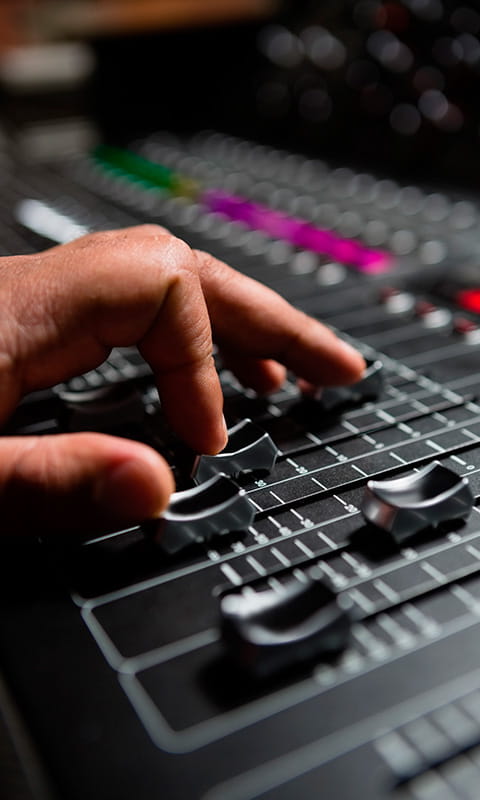
They focus on the overall vision of the song and work closely with the artist to develop that vision into something that connects with listeners.
During a recording project, a producer may help with things like:
- Improving the song structure or arrangement
- Helping artists deliver stronger performances
- Suggesting instrumentation, sounds, or production elements
- Shaping the overall vibe and direction of the track
Producers often provide feedback throughout the session, helping artists refine ideas and make creative decisions.
Their goal is not just to record the song, but to help develop it into its best possible version.
In other words, a producer focuses on how the music feels and how the song works creatively.
What Does an Audio Engineer Do?
While the producer focuses on the creative side, an audio engineer focuses on the technical side of recording.
Engineers are responsible for capturing sound with clarity and precision.
They handle the studio equipment and ensure that every vocal and instrument is recorded in a way that sounds clean, balanced, and professional.
During a recording session, an engineer typically handles tasks such as:
- Setting up microphones and recording equipment
- Adjusting recording levels and signal flow
- Monitoring sound quality during the session
- Editing, mixing, and polishing the recorded audio
Their expertise ensures that the performances happening in the studio are captured accurately and translated into a high-quality recording.
Simply put, the engineer’s job is to make sure the music sounds professional from a technical standpoint.

The Key Difference Between a Producer and an Engineer
Although producers and engineers often work side by side in the studio, their main responsibilities are very different.
A producer focuses on the music itself.
They think about the emotional impact of the song, the arrangement, and how the performance can be improved.
Their decisions influence the creative direction of the project.
An engineer focuses on the recording process.
They make sure the microphones are placed correctly, the equipment is working properly, and the audio being captured is clear and balanced.
Another simple way to think about it is this:
- A producer asks: “Is the song working?”
- An engineer asks: “Does the recording sound right?”
Both perspectives are important for turning a musical idea into a polished final track.
Do Artists Need Both?
Many professional recording sessions involve both a producer and an engineer, especially for larger projects.
Having both roles allows one person to focus on creative decisions while the other concentrates on technical quality.
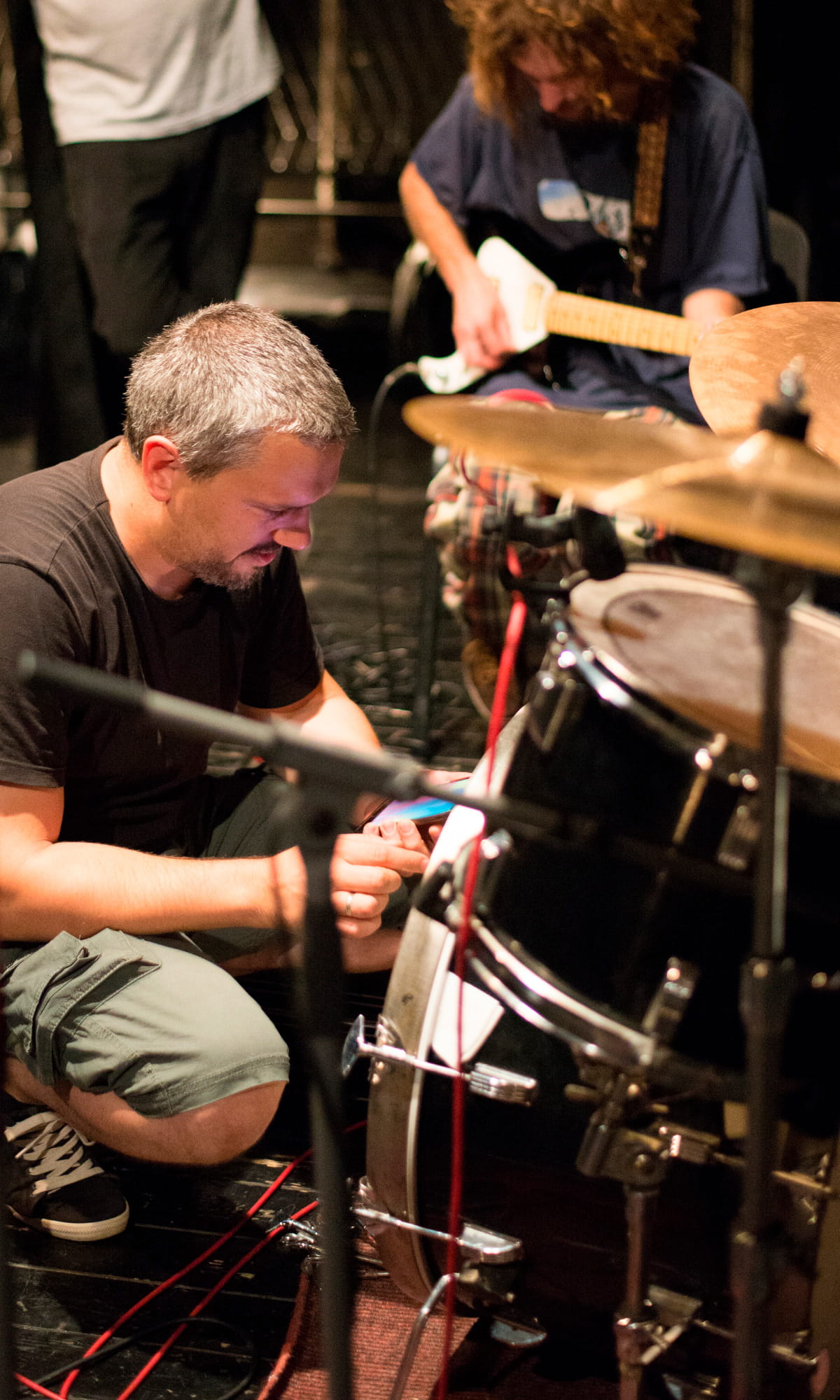
However, in smaller studios or independent projects, these roles sometimes overlap.
It’s common to see situations where:
- A producer also engineers the session
- An engineer contributes creative ideas
- One person manages both roles for the project
Even when the roles overlap, understanding the difference helps artists communicate more effectively and get the most out of their time in the studio.
Why This Matters for Artists
Knowing the difference between a producer and an engineer can help artists prepare for the recording process and choose the type of support they need.
If you already have a clear vision for your music and mainly need help capturing a clean recording, an engineer may be exactly what you need.
If you want help developing your sound, improving your performance, or refining your song before it’s recorded, working with a producer can be incredibly valuable.
In many cases, the best recordings come from collaboration between both roles, where creative direction and technical expertise work together to bring a song fully to life.